Overview & Lineage
The practice of Kalaripayattu, along with its invaluable lifestyle, is uniquely designed to enhance human potential and maintain the equilibrium of a person's physical, mental, and spiritual layers of life.
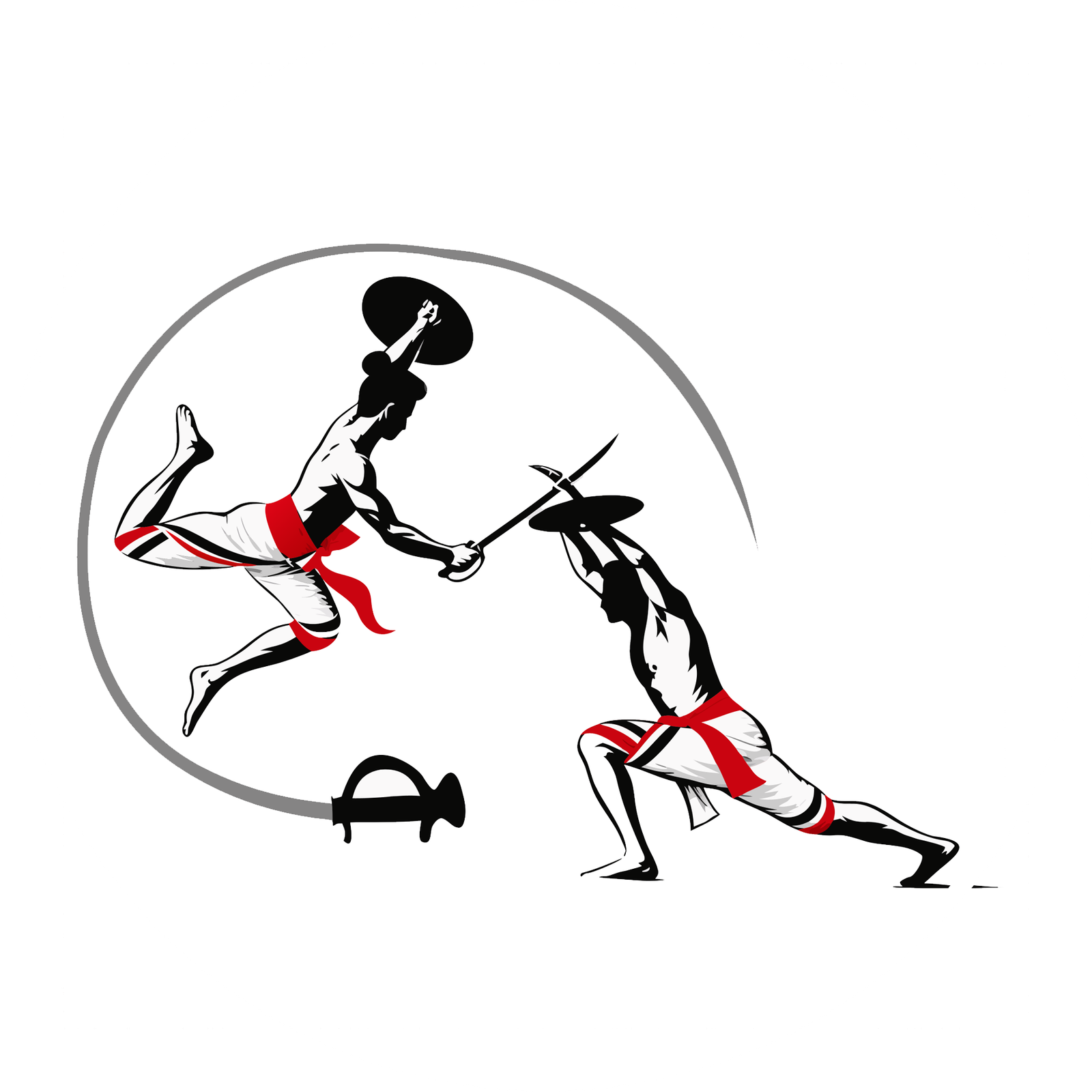
As one of the most ancient martial arts, Kalaripayattu originated in the Gurukulam tradition of ancient tribal (Gothra) culture in India. Historically, it evolved through three main stylistic variations:
Arappukai Version
Focused on high jumps, leg extensions, bending and locking the body in low-middle stances, complex stepping exercises, flexibility training, and weapon applications. It emphasizes tricky up-and-down movements and dynamic jumping tactics.
Vatten Thirippu Version
Characterized by diverse somersaults (Malakkareethikal), extensive foot and hand patterns (Kalam chavuttu reethikal and Vettu chuvadukal), and specialized body conditioning.
Pillathangi Version
Focuses on ground-level stretching combinations, rapid forward and backward movements, and developing hand speed and strength. It incorporates floor-striking combinations and low-stance hand techniques (Kaikuthi payattu).
Over time, regional variants took names from specific Kalari Gurukals (masters), family lineages, or villages (e.g., Kadathanadu, Thulunadu, Odimurisheri). After 1957, Kalaripayattu associations formed a unified body and standardized the styles by region: Northern (Vadakkan), Southern (Thekkan), and Central (Madhya) Kerala, introducing formal Kalari competitions.
Key Benefits
As a cornerstone of Kerala's heritage, Kalaripayattu offers comprehensive benefits:
Mental
- Builds concentration
- Develops patience
- Strengthens self-discipline
- Improves stress resilience
- Encourages deep self-awareness
Physical
- Enhances flexibility
- Improves physical strength
- Develops reflex speed
- Increases dynamic energy
- Supports natural immunity
Ashtatharikal (The Eight Stages of Training)
1. Vanakkathari (Salutation Routines)
The foundational stage consists of four sequential salutations: Yeka Dikku (one direction), Eratta Dikku (two directions), Chathur Dikku (four directions), and Ashtta Dikku Vanakkam (eight directions).
Performed near the Poothara, these pre-arranged sequences pay respect to the Easwara (Divine) and generations of Gurus while conditioning the inner body. Students touch the feet of the master, the Poothara, and the Guruthara to seek blessings.
Kalari transcends caste, creed, religion, gender, and age, focusing solely on humanity. Vanakkathari builds foundational strength, prevents practice injuries, and instills equality.
2. Chuvaduthari (Stances & Steps)
Consisting of 18 foundational steps and Ashttavadivukal (eight animal postures), this phase conditions body flexibility in preparation for armed and unarmed combat.
18 Steps (Chuvadukal)
- Vattachuvadu
- Yer chuvadu
- Aakka chuvadu
- Karadi chuvadu
- Chatta chuvadu
- Simha chuvadu
- Kuthira chuvadu
- Naga chuvadu
- Neekka chuvadu
- Pakarcha chuvadu
- Therukka chuvadu
- Anga chuvadu
- Thancha chuvadu
- Pokka chuvadu
- Panni chuvadu
- Koti chuvadu
- Oothira chuvadu
- Malakka chuvadu
8 Animal Postures (Kalaripayattu Vadivukal)
- Gaja (Elephant)
- Varaha (Boar)
- Simha (Lion)
- Aswa (Horse)
- Kukuda (Rooster)
- Mayoora (Peacock)
- Marjara (Cat)
- Sarppa (Snake)
Body Postures (Shareera Vadivukal)
- Sheersha
- Vadhana
- Kanda
- Maru
- Puram
- Udhara
- Omal
- Hastha
- Sandhi
- Ara
- Paadha
- Sourabhya
3. Meythari (Physical Conditioning)
Focuses on body control, agility, mental endurance, and stamina. Techniques include Kaaleduppu, Meypayattu, Chumattadi, Kaikuthi payattu, Vettuchuvadu, Kalamchavittu, and Chaattapayattu.
It balances physical speed with mental reflexes—crucial for weapon mastery and long-term health.
4. Kolthari (Wooden Weapons)
Training using wooden implements to build reflexes and hand-eye coordination. Includes Kettukari (long stick), Muchaan (short stick), Otah (curved stick), Pondhi, Chottichaan, Erattavadi, and Perundhallu.
Combinations are typically structured in sets of 6, 12, or 18.
5. Angathari (Metal Weapons)
Advanced combat training that maximizes physical power, courage, and tactical focus. Techniques utilize sharp metal weapons, including:
- Neetukadara
- Kathi
- Kuntham
- Marapichakuntham
- Udavaal
- Churika
- Ghadha
- Puliyankam
- Neettuvaal
- Erattavaal
- Churuttuvaal (flexible sword)
- Ambum Villum (bow and arrow)
- Venmazhu (axe)
- Vettukathi
6. Verumkaithari (Unarmed Combat & Self-Defense)
The apex of physical training, focusing strictly on self-defense using bare hands, locks, throws, strikes, and pressure point strikes (using hands, ropes, or cloth).
Techniques Include
- Kalari kettukal
- Ozhivukal
- Ayudha kettukal
- Thala prayogangal
- Akramana prathyakramana syilikal
- Prathirodha murakal
- Kayattangal
- Marma prayogangal
- Thattukal
- Thadakal
- Neetukal
- Mushti prayogam
- Adi prayogam
- Vettu prayogangal
- Kuthu prayogangal
- Parakka prayogangal
- Aakka prayogangal
- Valivukal
- Churuttu prayogangal
- Oda prayogangal
- Chavittu reethikal
- Chatta varavukal
- Puram thiriyal prayogangal
- Viral prayogangal
- Drishti reethikal
- Sthanbana prayogangal
- Valicherukal
- Marachil reethikal
- Malakkangal
Ethical Rule
Verumkaithari is strictly defensive. If an opponent is injured, the practitioner is obligated to apply Marma healing treatments immediately.
7. Marma Chikilsathari (Vital Point Healing)
The backbone of Kalari system. It involves deep knowledge of the 107 Marma points (intersections of nerves, veins, muscles, bones, and joints where Prana flows). Treatment focuses primarily on balancing the Vatha humor to harmonize bodily energy and heal trauma or chronic ailments where standard medicine struggles.
8. Upasanathari (Internal Consciousness & Mastery)
The final meditative phase where practitioners sit on a traditional wooden platform to internalize all learned combat tactics, align with nature, and develop spiritual clarity.
Upon completing this stage, the master reveals the secretive Pathinettadavukal (18 vital tactics), graduating the practitioner into a full Kalari Master (Gurukkal) qualified to pass down the lineage.